
Introduction to Sarees and Suits
Sarees and suits are two of the most celebrated forms of traditional attire in South Asia, each reflecting the rich heritage and diverse culture of the region. These garments not only tell stories of history and craftsmanship but also offer a wide array of styles that cater to every occasion.
The Timeless Charm of Sarees
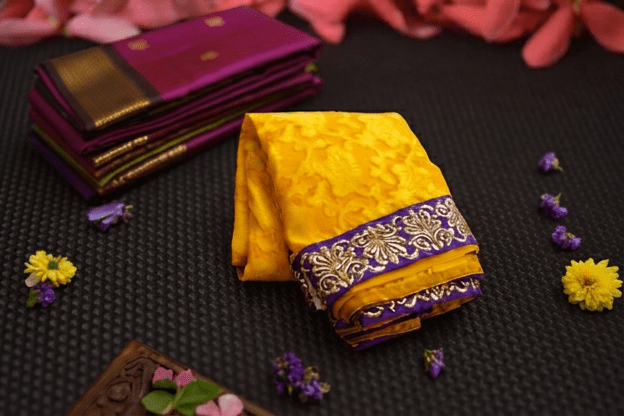
The saree, a timeless piece of clothing, is a versatile and elegant option that suits various body types and personal styles. Made from a plethora of fabrics like silk, cotton, and georgette, sarees come in an infinite variety of colors and patterns. Whether adorned with intricate embroidery or simple designs, they are often chosen for weddings and festive celebrations. Sarees can be styled in numerous draping techniques, making each look unique. Pairing them with a matching blouse and accessories enhances their allure.
Modern Appeal of Suits
On the other hand, suits, especially the salwar kameez, have become synonymous with traditional yet modern fashion. A suit typically consists of a tunic top, a pair of loose-fitting trousers, and a dupatta (scarf), making it comfortable for day-to-day wear or special events. Suits are often embellished with various prints, sequins, and sophisticated cuts, appealing to today’s fashion-savvy audiences. Their adaptability allows women to express their individuality while honoring cultural heritage.
Conclusion
Both sarees and suits serve as magnificent embodiments of South Asian culture. Their beauty lies not just in their aesthetics but also in their ability to empower women, allowing them to embrace tradition while exploring modernity. With endless variations available, it’s easy to see why these garments continue to thrive in the world of fashion.